
Vision 2030, also known as Saudi Vision 2030, is the Kingdom’s national transformation strategy. Launched in 2016, its goals are broken down into three themes:
- A Vibrant Society
- A Thriving Economy
- An Ambitious Nation
Built around long-term reform, investment, and innovation, this blueprint guides large-scale development projects, regulatory modernization, and quality-of-life initiatives. This article examines Vision 2030’s progress and objectives and explains how King Salman Park aids in its momentum and Saudi Arabia’s transformation.
Driving Saudi Transformation Through Structural Reform and Mega-Projects
Saudi Vision 2030 has successfully driven Saudi transformation by modernizing governance, investing in large-scale national projects, and reshaping the urban and economic landscape. This has led to advanced regulatory reform, expanded non-oil revenue streams, increased private-sector participation, and accelerated project development. Projects like King Salman Park facilitate this transformation, especially in creating a vibrant society. Based on the latest report, Saudi Arabia boasts:
- An increase in Islamic historical sites from 5 to 15 as of 2024
- Expanded tourism, with a 148% increase in international tourism revenue from 2019 to 2024
- A Saudi homeownership rate of 65.4%, surpassing the 2024 goal of 64%
- Being ranked 7th in the world in Enhanced Government Effectiveness, already surpassing the Vision 2030 target of the top 10
- 115 million trees planted as of 2024
Achievable Objectives Backed by Measurable Progress
Vision 2030’s objectives are achievable because they are supported by clear targets, phased implementation plans, and measurable outcomes. As of 2024, 85% of Saudi Vision 2030’s initiatives were completed, or on track to be completed, with 674 of the 1,502 initiatives fully completed.
The aforementioned objectives, and many others backed by Vision Realization Programs, demonstrate that long-term national transformation is not only aspirational but actionable.
King Salman Park: A Living Expression of Vision 2030
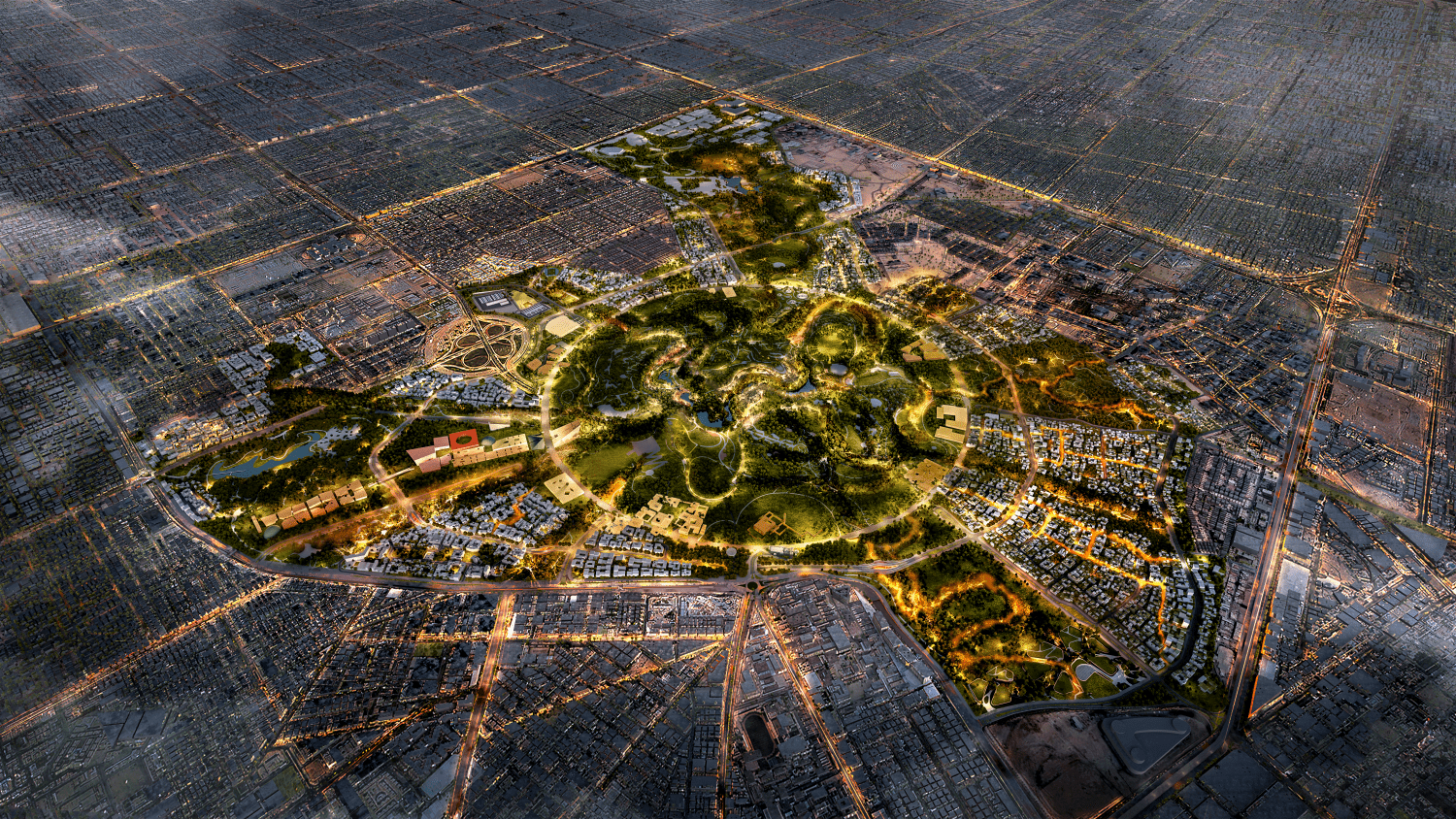
King Salman Park stands as a tangible example of how Vision 2030 moves from strategy to reality, turning policy frameworks into visible, community-centered infrastructure. Launched in 2019, King Salman Park was conceived to support Vision 2030’s achievable objectives to build a vibrant society. The project integrates sustainability, smart urban planning, cultural enrichment, and economic opportunity in one landmark development.
The Park’s large size at 17.2 square kilometers, accessibility via Riyadh’s transportation network, and focus on green infrastructure contribute to environmental goals while enhancing urban livability. At the same time, its cultural and commercial components stimulate economic activity and global engagement.
In connecting policy ambition with public experience, King Salman Park demonstrates how Saudi Arabia’s Vision 2030 is not merely a roadmap but a reshaping of Saudi Arabia’s cities, society, and future trajectory.
Vision 2030 and King Salman Park’s Influence on Saudi Society
Vision 2030 has influenced Saudi society by prioritizing quality of life, cultural vibrancy, sustainability, and community engagement. For example, as of 2024, Saudi Arabia has seen a 33.5% increase in the women’s labor force participation rate and has doubled the number of Saudi sites on the UNESCO World Heritage List.
King Salman Park’s expansive green areas and pedestrian-friendly design will help further other objectives, including an increase in the number of adults who reportedly engage in physical activity weekly which reached now over 9% increase. In fact, the number of Saudi youth aged 5–17 engaging in 60 minutes of physical activity daily has increased by over 12%, and the number of adults engaging in 150 minutes per week of physical activity has gone up almost 10%, with both numbers surpassing early targets, and increasing more once the park opens its doors to the visitors.
Economic Diversification in Action
Saudi Arabia’s economic diversification plan under Vision 2030 is demonstrating success, particularly through growth in non-oil sectors, such as tourism, artificial intelligence, renewable energy, entertainment, and manufacturing. Non-oil GDP growth increased by 3.9% from 2023 to 2024, and future projections show that the Kingdom’s oil sector’s GDP share is expected to drop from 30% to between 24% and 26% by 2030.
Saudi Arabia’s economic diversification efforts reflect a deliberate shift toward a knowledge-based economy aimed at generating sustainable growth and global competitiveness for decades to come. King Salman Park contributes to this transition by stimulating activity in tourism, culture, hospitality, and real estate, which are all sectors identified as key drivers of non-oil growth. By attracting visitors from across the globe, supporting multiple creative industries, and encouraging private-sector investment, the Park reinforces Saudi Arabia’s position as a diverse economic hub.
Keep up with King Salman Park’s development on Facebook, Instagram, YouTube, and LinkedIn.